Local Content Ideas That Attract Nearby Customers
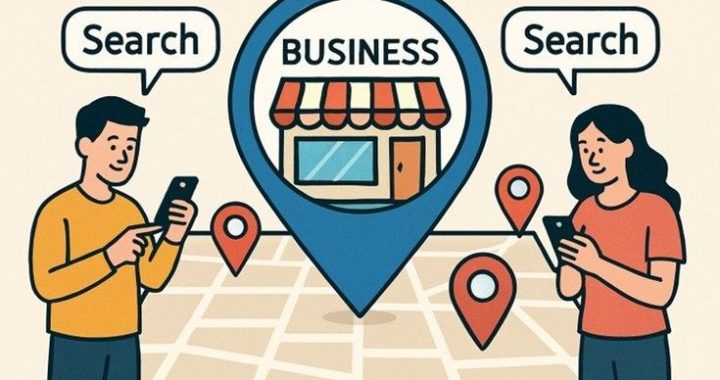
If you run a business that depends on foot traffic, service calls, or people typing “near me” into Google, your content strategy needs to think local first. National brands can afford to chase broad audiences, but a bakery in Prayagraj or a plumbing business in Austin doesn’t need the whole internet to notice them — it needs the people who live within a 15-minute drive to know it exists, trust it, and choose it over the shop next door.
That’s where local content comes in. Local content is any piece of writing, video, image, or post that speaks directly to your city, neighborhood, or community. It tells search engines and real people alike: “This business belongs here, understands this place, and is relevant to what’s happening around you.” Done right, it doesn’t just bring more visitors to your website — it brings the right visitors, the ones who are far more likely to walk through your door or pick up the phone.
Below is a practical breakdown of what local content actually means, why it works, and a long list of ideas you can start using right away.
Why Local Content Matters More Than Generic Content
Search engines like Google have gotten very good at understanding intent. When someone searches “best coffee shop near me” or “affordable electrician in [city],” Google isn’t just matching keywords — it’s trying to serve results that are geographically and contextually relevant. A blog full of generic, city-agnostic content simply doesn’t compete well against a business that consistently publishes content tied to its actual location.
There’s also a trust factor. People are more likely to engage with a business that clearly understands their community. If a reader sees you writing about a local festival, a nearby landmark, or a common problem specific to your region’s climate or lifestyle, it signals that you’re not some faceless company — you’re a neighbor. That familiarity shortens the distance between “I found this business online” and “I’m calling them today.”
Finally, local content tends to be less competitive. Ranking for “digital marketing agency” is nearly impossible for a small business. Ranking for “digital marketing agency in Prayagraj for small businesses” is a completely different, much more winnable game.
Content Ideas That Actually Bring In Nearby Customers
Here’s a wide set of content directions you can mix and match depending on your industry.
1. Neighborhood and city guides
Write guides that position your business as part of the local fabric, not just a company that happens to be located there.
“Best weekend spots in [city] for families”
“A local’s guide to [neighborhood]: where to eat, shop, and relax”
“Top 10 hidden gems in [city] most tourists miss”
These pieces don’t always sell directly, but they build goodwill, get shared locally, and often attract backlinks from other local sites, which helps your search rankings.
2. “Near me” focused service pages and posts
Create content built specifically around how people search when they need help fast.
Comparison-style posts like “In-house vs. outsourced [service] in [city]: which is right for you”
3. Local event coverage and participation
Tie your brand to things already happening in your community.
Recap posts after local fairs, markets, or festivals your business attended or sponsored
“Where to find us this month” posts listing pop-ups, stalls, or community events
Behind-the-scenes content from local charity drives or community clean-ups you supported
4. Customer stories and local testimonials
Nothing builds trust faster than someone from the same city vouching for you.
Video testimonials filmed at your actual location, mentioning the area by name
Before-and-after project stories tied to specific local addresses or landmarks (with permission)
5. Local partnerships and collaborations
Team up with other nearby businesses for cross-promotion and shared content.
Joint blog posts or interviews with complementary local businesses
“Businesses we love in [city]” roundups that tag and link to other local brands
Co-hosted giveaways or events, documented and shared across both audiences
6. Seasonal and climate-specific content
Localize the seasons. What matters to someone in Prayagraj during monsoon season is very different from what matters to someone in a coastal city during hurricane season.
7. Local FAQs and problem-solving content
Address the specific questions people in your area are actually typing into search bars.
“What permits do you need to renovate a home in [city]”
FAQ-style posts addressing local regulations, pricing norms, or availability issues
8. Behind-the-scenes and team spotlight content
People connect with people, not logos. Show the human side of your local presence.
“Meet the team behind [business name] in [city]”
A day-in-the-life post or reel showing your actual storefront, office, or job site
Staff interviews about why they love working in your community
9. Local statistics, trends, and market insights
Position your business as a knowledgeable local authority.
“5 trends shaping [industry] in [city] this year”
Simple local market reports: average pricing, demand shifts, or growth areas
Commentary on local news that affects your industry, written in your own voice
10. User-generated and community content
Let your audience create content for you.
Feature customer photos or reviews tagged with your location
Repost and credit local influencers or community pages that mention your business

Making Local Content Feel Genuine, Not Forced
A common mistake businesses make is stuffing city names into content without adding real value — this reads as spammy to both readers and search engines. Instead, focus on genuinely useful, specific, and personal details.
Mention actual street names, local landmarks, weather patterns, cultural events, or community quirks that someone from outside the area simply wouldn’t know to include. That specificity is what separates authentic local content from a template with the city name swapped in.
It also helps to keep a content calendar tied to your local community’s rhythm — festivals, school schedules, weather changes, sports seasons, and civic events all offer natural, recurring content opportunities throughout the year.
A Few Practical Tips Before You Start Publishing
Use local keywords naturally. Include your city, neighborhood, or region in titles, headers, and throughout the body text, but only where it reads naturally.
Add local schema markup to your website so search engines clearly understand your business location, service area, and hours.
Keep your Google Business Profile active and link it to your blog content whenever relevant — fresh posts can be shared there too.
Encourage reviews that mention specifics, like the service they received or the neighborhood they’re in, since these often get pulled into local search snippets.
Repurpose content across platforms. A neighborhood guide can become an Instagram carousel, a short video, and a newsletter feature, multiplying its reach without multiplying your workload.
Final Thoughts
Local content works because it meets people where they already are — emotionally and geographically. It shows that your business isn’t trying to speak to everyone; it’s speaking directly to the people most likely to become customers. Start small: pick two or three ideas from this list that fit your industry, publish consistently, and pay attention to which topics get the most engagement or foot traffic. Over time, this kind of focused, community-rooted content builds something generic marketing rarely can — genuine local trust.