
Digi Nexa: Simple strategies. High-impact rankings.
What is Search Engine optimization (SEO)?
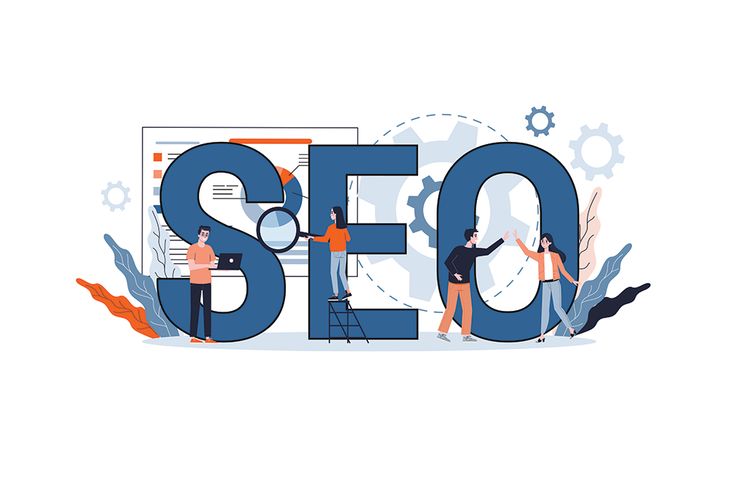
Search Engine Optimization (SEO) is the process of determining how to get your site seen in order to rank higher on search, particularly Google. In essence, SEO gives the guarantee that when people are searching for goods or services you provide, your website finds its way to the top somehow. SEO greatly increases the likelihood of getting potential clients.
SEO utilizes a number of strategies: content optimization using the right keywords to make it helpful; user-experience optimization with having your website speedy and responsive; authority building with natural links from other good-quality external sites; and technical optimization, such as structure optimization of a site and bug cleaning, to allow the search engines easily to locate and index your website. Finally, SEO makes your website an easily readable, trustworthy, and relevant answer to searches on the web.
How Does Search Engine Optimization Work ?
Search Engine Optimization(SEO), is technically optimizing your site so that search engines such as Google will not have a problem recognizing what your website is and are able to locate it based on what individuals are searching for. It is very much similar to having your site learn the language used by search engines. A few of these are common main things: ensuring your site's design and technicalities are easy for search engines to crawl and index, making the page content easy with keywords that people use, and establishing your site's authority and trust with the search engines through such methods as having other high-quality sites link to your site. The more you do this, the closer you'll be to having your site at the top of search results for related searches, meaning more individuals will discover your site.
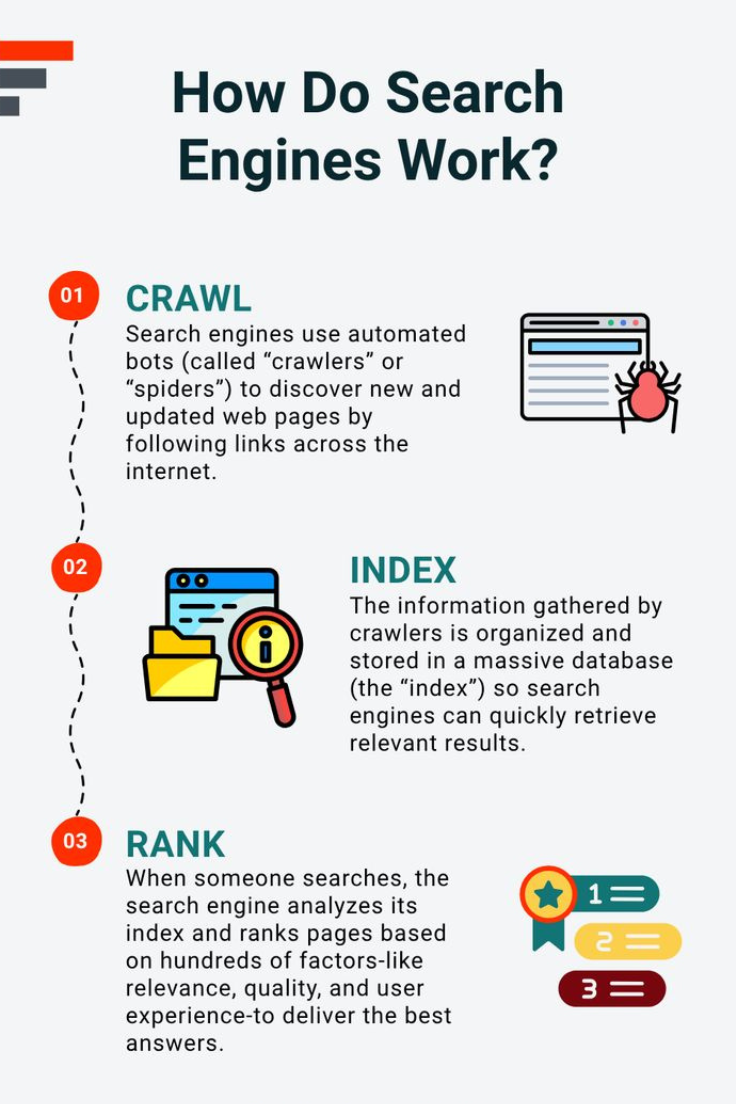
Crawling: Crawling is the process by which search engines discover and collect information from websites. Search engines use automated programs called web crawlers, spiders, or bots to visit web pages, follow links, and scan content such as text, images, videos, and metadata. The information gathered helps search engines understand what each page is about. After crawling, the pages may be added to the search engine's index if they meet quality standards. Effective crawling depends on factors like a clear website structure, internal linking, fast loading speed, and an updated XML sitemap, ensuring that new and modified pages are found quickly.
Indexing: Indexing is the process by which search engines like Google collect, analyze, and store web pages in their database after crawling them. When a page is indexed, it becomes eligible to appear in search engine results for relevant user queries. During indexing, the search engine evaluates the page's content, keywords, images, links, and overall structure to understand its topic and quality. Proper indexing is essential for online visibility because pages that are not indexed cannot rank in search results. Using quality content, a clear website structure, and submitting a sitemap can help improve indexing and search performa.
Ranking: Ranking is the position of a website or web page in search engine results for a specific keyword or search query. Search engines like Google determine rankings by evaluating many factors, including content quality, keyword relevance, website speed, mobile-friendliness, backlinks, user experience, and technical SEO. A higher ranking increases a website's visibility, making it more likely that users will visit it. Websites appearing on the first page of search results generally receive the most traffic. Improving ranking requires creating valuable content, optimizing pages for search engines, earning quality backlinks, and maintaining a secure, fast, and user-friendly website over time.
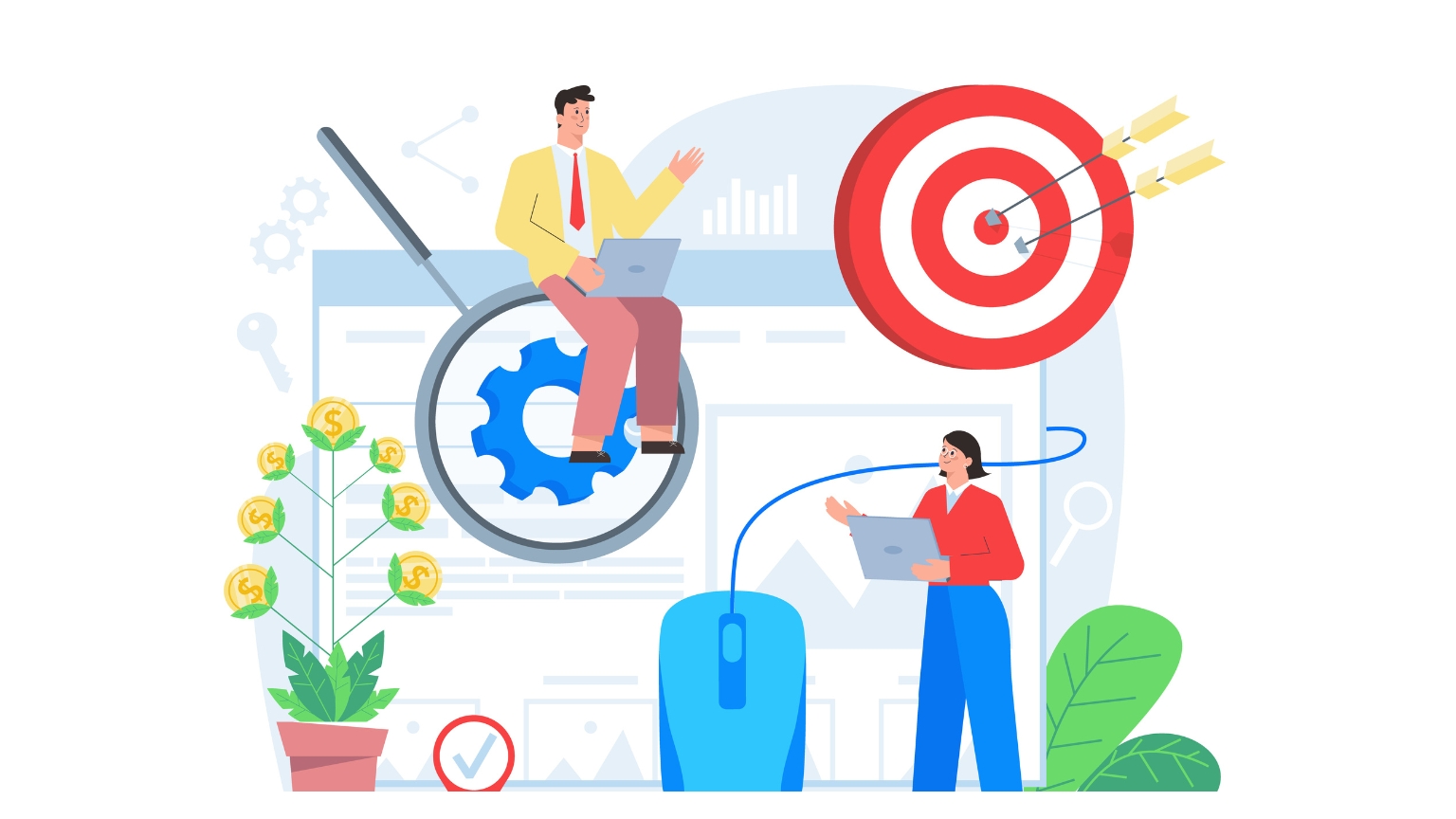
Different Faces of SEO That Drive Digital Success.

On Page SEO

Off Page SEO
Technical SEO
What is On-Page SEO ?
On-Page SEO is the process of optimizing individual web pages to improve their ranking in search engine results and attract more organic traffic. It involves making changes directly on the website to help search engines understand the content better. Important on-page SEO factors include using relevant keywords in titles, headings, URLs, and content, creating high-quality and informative content, optimizing meta titles and meta descriptions, and using proper heading tags (H1, H2, H3). It also includes optimizing images with alt text, improving page loading speed, ensuring mobile-friendliness, and creating internal links between related pages. A well-structured website with clear navigation enhances user experience and helps search engines crawl pages efficiently. On-page SEO is essential because it increases a website's visibility, improves user engagement, and helps achieve higher rankings on search engines like Google. Regular updates and optimization ensure better performance and long-term online success.
Types of On-Page SEO
-
Content Optimization- High-quality, original content that answers user queries.
-
Keyword Optimization- Smartly placing primary and secondary keywords throughout your page.
- Keyword prominence- Placing important keywords at the beginning of titles, headings, and content.
- Keyword Proximity- The distance between keywords within content affects search relevance and ranking.
- Keyword Score- Measures a keyword's popularity, competition, relevance, and ranking potential.
-
Image Optimization- Descriptive file names, alt text, and compressed images for speed and clarity.
- Search Volume -The average number of times a keyword is searched monthly.
What is Off-Page SEO ?
Off-Page SEO refers to the process of establishing the authority and visibility of your website through efforts external to your site, such as creating high-quality links, social promotion of content, guest blogging, influencer outreach, online reviews, and local directory placements. It makes search engines think about your site as reputable, popular, and relevant, which increases your rankings.
Off-Page SEO Tricks
-
Build high-quality backlinks
-
Influencer outreach
-
Content sharing
-
Social media promotion
-
Manage Online Rewiews
What is Technical SEO ?
Technical SEO is the process of optimizing a website’s backend structure to make it easier for search engines to crawl, index, and rank. It includes improving site speed, mobile-friendliness, security (HTTPS), XML sitemaps, robots.txt, fixing crawl errors, and using structured data to help search engines understand content better. In short, it ensures your website is fast, secure, and technically sound for both users and search engines.
Elements of Technical SEO
- Fast website speed • Mobile-friendly design
- XML sitemap & robots.txt • HTTPS/SSL security
- Structured data (schema markup) • Fix crawl errors & broken links
Supercharge Your SEO Strategy with the Right Tools and Insights


Marketing Solutions Knowledge Base (FAQs)
On-Page includes content, keywords, and website optimization. Off-Page includes backlinks, authority building, and external signals.
Yes, but blogging accelerates ranking by adding fresh, keyword-targeted content regularly.
Yes, we analyze site speed, indexing, schema markup, broken links, and overall health before creating a strategy.
We use tools + competitor analysis to find keywords with high search volume and low competition that match your services.
We can optimize for local SEO, national SEO, or international SEO depending on your business needs.